Qualitere Installs Lock Lock As Standard

Image Above: Martin Harris of Qualitere and Alex Dutton of Brisant with the Lock Lock security handle

Qualitere Windows is the latest installation company to fit Lock Lock security handles as standard. After on-site testing and both employee and customer surveys, Joint Owner Martin Harris announced the move, fitting all 20 showroom doors with Brisant Secure’s Lock Lock. 

“Lock Lock’s performance and security are first-class but it’s also the clear market leader in anti-corrosion,” says Martin. “Pitting and tarnishing is an issue in the hardware industry, but we’ve never bought cheap products as we have a reputation to protect. We did have issues with three handles recently though (despite being 64 miles from the coast!) and that was three too many. This just can’t happen: customers come to us for top-of-the-range quality so we needed a secure handle that would stay looking good. After trialling and feedback from customers on the functionality and looks, I was so impressed I made Lock Lock the standard option rather than an upgrade.”

Qualitere Windows is a family-run business in the East Midlands. “We’d been looking to improve our premium security handle offer for a while,” continues Martin. “We got a fantastic reception when we started fitting Brisant’s Ultion cylinders as standard over a year ago, and I knew Lock Lock could be another game changer for us. Handle and cylinder lock manufacturers approach me regularly with cheaper alternatives. But I’m not interested in cheap, and neither are my customers. I need to be 100% sure on quality and security, and with Lock Lock, I am.”

For more information on Qualitere visit www.qualiterewindows.co.uk; for details on Lock Lock’s anti-corrosion performance go to www.lock-lock.co.uk/tested. 

5th

GREG O’DONOGHUE RECEIVES LIFETIME ACHIEVEMENT AWARD

Picture above: Winner of Lifetime Achievement Award, Greg ODonoghue

It was a memorable evening at the G17 Awards on 17th November at Park Lane Hilton as Greg O’Donoghue received The GGF Lifetime Achievement Award for his outstanding contribution to the industry.

As well as being major sponsors for the event the GGF decided to mark its 40th Anniversary year with this special “Lifetime Achievement Award” and received nominations from numerous sectors of the industry.

Given his exceptional list of achievements for the industry such as being a co-founder of FENSA – the competent persons’ scheme and ensuring glazing was included in the TrustMark scheme, Greg deservedly won the award after 35 years in the industry during which he has become one of the most influential individuals in the domestic glazing sector.

In 2000, Greg was elected GGF President and then in 2002 as Chairman of FENSA he negotiated with Government to bring about legislative change which has proved to be for the benefit of the entire industry and consumers.

Since then Greg has been a consistent industry champion on many fronts including, increasing consumer protection, improving the installation industry standards and campaigning to overcome barriers for glazing in the conservation areas.

On winning the award Greg commented, “I am truly stunned but delighted to have won this award. I can only thank my colleagues at Just Windows and Doors and all those connected to the GGF, who have helped me throughout my time in the industry.”

Greg’s longevity and gravitas in the industry, clearly highlights his passion, industry knowledge and commitment to constantly create a better trading environment for companies large and small.

James Lee, GGF Director of Group Marketing presented the award and commented, “Greg is always accessible to offer advice and promote the industry. His work for the GGF and FENSA has constantly been for the greater good and not for his own personal gain. He is most deserving of the GGF Lifetime Achievement Award.”

Greg concluded, “It’s been a fantastic evening and one I’ll never forget. This is an award that I never expected, but I am pleased my many years of work for the industry have been recognized in this way.”

www.ggf.org.uk

Time To Raise Prices In 2018?

As we head into the final few weeks of the year, no doubt many of you will be starting to make your plans for next year. What will your new sales targets be? Will you be adding more products to your portfolio? What investments in tech and IT will you be making?

Perhaps one of the big questions we’re also asking ourselves is whether to raise prices in 2018? More specifically, at the installer to home owner end. There has been a very obvious price pressure on the whole of the industry supply chain in 2017. So after years of stagflation in prices of windows and doors to end users, is it now time to start hiking them up in a more significant way?

Making money 

Profit is not a dirty word. It has become one in recent years, as it has become popular to bash business and look upon people who make good money with disdain. But lets remember, we don’t work or run our own companies for the good of our health. We work and run our own companies to make money. Otherwise we’d all work for charities.

Profit, however, is one of those parts of a business that doesn’t appear to have been as healthy as it perhaps should have been by now. The rising cost of materials to make windows and doors in 2017 hasn’t helped matters. It seems as though we’ve all been regularly bombarded from all sides with rising prices. It gets filtered down by the time it gets to the installer, but they’re not immune and they eventually have to pass that on to the home owner.

Still, these increases have only been a few percent here and there. Mostly nothing significant enough for people to stop buying windows and doors altogether. But as we move into the New Year, I think the industry as a whole needs to take a serious look at what we charge for our goods and what we believe to be a fair and profitable price to pass on to home owners.

Remember, most products come with a ten year guarantee. Work out how much profit you make on a contract and divide that by ten. That’s how much money you’re making on average over those ten years, and you as a company have to be able to service that product for a decade, whether it be remedial work, adjustments etc. Suddenly I bet it doesn’t look all that much does it. If you make £300 profit on a door that you have to guarantee for ten years, that just £30 per year. Is that enough to fully guarantee a door for a decade? I’d say not.

It’s not about creaming a home owner for as much as we can. It’s about getting our windows and doors, at least the quality offerings, to a price point that suits 2018 and the various pressures installers and everyone further up the supply chain has to deal with.

Making money, good money, is NOT a bad thing. Social media and the media in general seems to have forgotten that.

Stagflation

I think it’s a safe bet that if the installers out there were to dig up an invoice for a house full of windows and doors from a decade ago, and compare it to an invoice for a similar sized job from this year, that the price will not have moved much further north. Why? Ten years is a long time for prices to rise. The cost of living only goes up. Raw material costs only go up. So why not the end price to the home owner? Only fair isn’t it?

The way our industry goes about pricing for home owners is in the main idiotic. Many still continue to give stupid promises like “we’ll beat any genuine like for like quote” or “we’ll pay the VAT” or “BOGOF” and all those other typical double glazing things. In the end, if they are genuine offers, it means the installer is going to lose money somewhere.

There are plenty of companies out there who still continue to undercut their competition, preferring to win an order based on bottom end prices rather than higher end quality. Think about that ten year guarantee average. If you’re cutting profit away in order to win a contract, and you end up having to go service that installation even just a few times during those ten years, that profit margin is looking even more pathetic than it did before.

Compare our industry to other big ticket sectors, like extensions, cars, kitchen and holidays. They all steadily rise year on year as costs go up. Yes their sectors are competitive, but be in no doubt that they also make good money too, even if they tell you they don’t! The price of a four-door family car has certainly risen in the past ten years. But people are still prepared to spend the money, be it on finance or direct purchase, so long as they feel like they are getting the equivalent value.

And that’s what we have to nail in our industry. Price, although still a major factor, should not be the primary factor. People will always spend more on anything so long as they have a good experience doing do and they feel like they are getting a product that matches the monetary value.

If certain parts of our industry continue to travel down the path of low margins and old world sales methods, 2018 could be a pretty tough year for quite a few companies, including some of our better known ones.

Kevin Taylor, Operations Manager at Bowater by Birtley

Bowater by Birtley is pleased to welcome Kevin Taylor to its management team to further improve the entire customer experience from order placement to receipt of product. Joining as Operations Manager, Kevin has a long history in the window and door industry having worked his way up from the factory floor to various management positions in operations, production and is perhaps most well-known for his position as Warmseal MD for 9 years.

Graeme Miller of Bowater by Birtley says: “Kevin brings a wealth of experience to Bowater by Birtley and will fulfil a critical role at this stage of our development. We supply the market with a wide range of products so they can choose the best door for each individual project, but to deliver such a vast offering is complicated and requires an efficient operation, from start to finish. Kevin’s expertise will complement our existing set-up to improve the customer experience.”

Kevin Taylor adds: “As soon as I heard about the position available at Bowater by Birtley, I knew it was something I’d love to be involved with. The position gives me something to get my teeth into and is in an industry I have worked in since leaving school. I’ll be involved with many aspects of the business including order placement, customer service, procurement and sales, as well as production. My role will be to work closely with the rest of the management team, including the continuous improvement manager, to further improve efficiencies and build on existing systems to ensure our high-quality products arrive with customers on time, every time. I’ll be implementing the 5s system derived from lean manufacturing principles – a philosophy already employed at Bowater – which broadly translated in English means to Sort, Set in Order, Shine, Standardise and Sustain. In short, the outcome of this is to continuously improve quality, efficiencies and morale.”

Graeme Miller concludes: “Merging Bowater with Birtley was always going to be a huge undertaking but we have really hit the ground running this year and with the addition of Kevin to further strengthen our team, we believe we are in a strong position to deliver everything the market needs in 2018.”

The post Kevin Taylor, Operations Manager at Bowater by Birtley appeared first on Windows Active Magazine.

Romag Appoints New Managing Director

Mark Jones has been announced as the new Managing Director of County Durham based, bespoke glass and solar PV manufacturer, Romag.

The move has come as part of a long-term investment strategy to drive the business towards its £50m potential. Supported by a new management team, he will be responsible for the day to day operations of the business, as well as overseeing production processes.

Ryan Green, CEO of Romag commented “I am delighted to welcome Mark as Managing Director. I am a firm believer in recognising talent within our workforce. With years of senior management experience under his belt and a passion for the high-quality products we manufacture and markets we operate in, Mark is well placed to drive Romag forward, as we strive to become the UK’s most successful independent bespoke glass manufacturer.”

Mark added: “As a Romag employee of more than three years I have seen first-hand the potential of this business and with the support of a highly specialised management team, we are poised to drive Romag to the next level, by delivering great products and great customer service.”

Romag is a UK pioneer with more than 70 years of glass laminating experience and expertise. Established in 1943, the firm has built a strong reputation around the globe for manufacturing high quality specialist security glass products in a range of shapes and sizes, to meet individual client needs.

5th

The Downton Effect

The Wood Window Alliance (WWA) has published the second chapter of its 2017 trends report, Windows on the World: The Downton Effect, and says that emerging trends suggest that homeowners are looking to the past for property – preferring period styles to contemporary builds.
The report highlights that period properties are experiencing a resurgence in sales as a result of increased consumer interest in British heritage and history. According to the WWA, historic houses are now some of the most sought-after on the market, with their increasing scarcity enhancing their appeal and bankability.

71% of homeowners agree that it is important to retain British heritage, whilst 80% say that period buildings are important to maintaining heritage in the UK. Many homeowners are embracing the concept of ‘Heritage Gain’, and are restoring the history and heritage of a property when it had previously been removed.

Just over half would prefer to live in a period property, with Victorian and Georgian winning the battle of the historical styles. But, perhaps contrary to expectations, 74% of Millennials also say it’s important to retain British heritage and more than half (58%) of Millennials find period properties the most desirable.

The desire for heritage means that people are willing to pay an average 11% more for a house with well-maintained period features. According to the WWA’s report, wood trumps plastic when it comes to character, yet almost half of those living in period properties have installed PVCU window frames in their homes thanks to ‘outdated preconceptions’ in the ‘aesthetics versus functionality’ debate.

More than half (56%) of homeowners are said to prefer wooden window frames when it comes to character, with just 8% preferring PVC-U frames.

Tony Pell, chairman of the Wood Window Alliance, said: “Whilst this trend is undoubtedly positive, it brings to the fore the challenge that we have faced as an organisation for many years – how to rectify the misconception that you must compromise aesthetics or historical accuracy for practical functionality when it comes to older properties. Nowhere is this more relevant than with windows. But too often, a misplaced and outdated fear of draughty wood windows, soaring energy bills and high maintenance requirements has left elegant period properties scarred with starkly out of place PVC-U windows.

“Huge technological strides in the wood window manufacturing process mean there is no longer the need to trade beauty for performance durability or efficiency. Today’s fully-finished wood window frames have an average service life of 60 years and simply require a new coat of paint every eight years or so. Well-maintained, there is evidence to suggest good quality timber windows could last at least a hundred years. What’s more, timber windows are particularly suited to triple glazing, making them incredibly efficient.”

The post The Downton Effect appeared first on Glass & Glazing Products Magazine (GGP).

GGF ‘cautiously optimistic’

The Glass and Glazing Federation (GGF) says it is cautiously optimistic in response to housebuilding announcements made at the 2017 Budget.

Despite the Government’s focus on housebuilding, the GGF believes more action is needed to ensure the UK meets the target of building 300,000 homes per year. The GGF was also disappointed the Budget contained no measures to increase the energy efficiency of the UK’s homes, which are said to be some of the worst performing in Europe.

Due to the continued failure to meet house building targets, the GGF says it does not expect to see a sudden surge in housebuilding, but highlights the following announcements from the Chancellor for its members:

£44bn over five years in capital funding to support the housing market and to deliver 300,000 homes per year by mid 2020s, including;

£630m small sites fund to support the delivery of 40,000 homes
£2.7bn to double Housing Infrastructure Fund
£1.1bn for unlocking strategic sites
£400m more for estate regeneration and £8bn of new financial guarantees to support private housebuilding

According to the federation, all housebuilding programmes should be centred on a ‘Whole House Approach’ to ensure new and existing homes are energy efficient and can keep people warm during winter. The GGF was disappointed the Government failed to include measures to ensure housing stock is energy efficient and says it will urge the Government to provide investment in energy efficient glass and glazing products for families and businesses across the country.

GGF Group chief executive, Phil Pluck, commented: “While we welcome the Government’s drive to build 300,000 homes per year, there is some way to go before we realise this objective. Our members are integral to the construction industry, and we will continue to work with Government so they fully appreciate the existing barriers to building more homes.

“Further, we are disappointed the Government did not provide additional funding for energy efficient measures in the UK’s domestic and non-domestic housing stock. It is vital the poor performance of the UK housing stock is urgently improved. The Chancellor announced crackdowns on diesel vehicles, but must also recognise the contribution that energy efficient buildings can make to reducing carbon emissions”.

The post GGF ‘cautiously optimistic’ appeared first on Glass & Glazing Products Magazine (GGP).

Ambitious Glazefix Gears Up For Growth With Eurocell

Image Above: Glazefix MD, Lewis Mayer

Romford-based fabricator Glazefix is the latest fabricator to sign up with Eurocell. Managing Director Lewis Mayer says he changed supplier because of the company’s strong selection of foil windows, which would help Glazefix expand the commercial side of the business. 

“We primarily work with trade, with a smaller proportion of retail, but we can see the potential for more commercial work and the Eurocell range of foil products will support our move into that sector, particularly because it is very keenly priced,” he said. “It’s also important that all the ancillary items such as trims can be supplied in matching colours.”

Roofing products, such as Equinox, also swayed the decision together with the comprehensive 170 plus network of Eurocell branches. 

“Eurocell has a great range of ancillary products that is growing all the time and that’s available through all their branches so we could be working on a job as far away as Cornwall and still get everything we needed, from sealants to conservatory roofs,” Lewis remarked. 

Established in 2011, Glazefix operates from a unit in Havering-atte-Bower on the outskirts of Romford in Essex, where it fabricates around 150 frames per week and employs up to seven staff. Since signing up with Eurocell, the company reports that it has already seen considerable growth already and is planning to acquire new machinery and build a further 56m2 of office and warehouse space.

“Glazefix is the sort of expanding, ambitious company that we look for when we recruit new fabricators,” says Jason Bird, National Business Development Manager. “It has a strong reputation in its area and is keen to grow the business into other areas rather than just stick to what it has done from the start”.

The whole process of switching to Eurocell profiles is streamlined and simple, with each new fabricator being assigned their own field-based technical support engineer who can deliver everything required from initial set-up advice on production efficiency through to trouble-shooting issues. That engineer is supported by a technical helpdesk staffed by industry professionals ready to advise and a skilled team of designers and engineers that can write sample specifications for bespoke projects.

Eurocell technical support extends to BFRC accredited simulators that provide specifications and reports that prove to customers that the products meet the necessary BFRC performance standards. The company also offers product training, either on-site or at its purpose-built research and development centre in Alfreton, which has a dedicated facility for product simulation, prototyping and testing. 

On the marketing side, Eurocell has its own in-house design studio and marketing team to promote the fabricator’s business with services such as the RightSite customer website build service, providing either an off-the-shelf website or create a bespoke design at subsidised rates, bespoke brochures and direct mail. These include effective mailers, sales letters and campaigns to increase leads and prospects.

www.eurocell.co.uk

5th

GGF Cautiously Optimistic With 2017 Budget

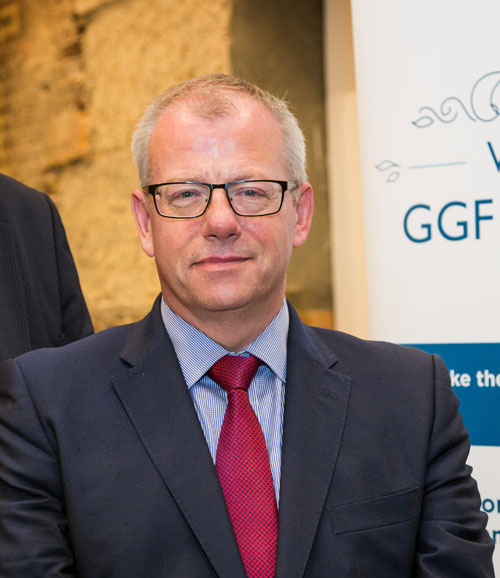
Image Above: GGF Group Chief Executive, Phil Pluck

The Glass and Glazing Federation (GGF) was cautiously optimistic in response to housebuilding announcements made at the 2017 Budget. Despite the Government’s focus on housebuilding, the GGF believes more action is needed to ensure the UK meets the target of building 300,000 homes per year. The GGF was also disappointed the Budget contained no measures to increase the energy efficiency of the UK’s homes, some of the worst performing in Europe.

Housebuilding programmes

Governments of all colours have proposed speeding up the planning process and unlocking public sector land, but the UK’s housebuilding rate has remained well below target over the last decade. Therefore, the GGF does not expect to see a sudden surge in housebuilding, particularly at a time when confidence in the construction sector in the year ahead dropped to its lowest level since December 2012*.

Of note to GGF members, the Chancellor announced: 

  • £44bn over five years in capital funding to support housing market and deliver 300,000 homes per year by mid 2020s, including:
    • £630m small sites fund to support the delivery of 40,000 homes
  • £2.7bn to double Housing Infrastructure Fund
  • £1.1bn for unlocking strategic sites
  • £400m more for estate regeneration and £8bn of new financial guarantees to support private housebuilding


The lack of a ‘Whole House Approach’

All housebuilding programmes should be centred on a ‘Whole House Approach’ to ensure new and existing homes are energy efficient and can keep people warm during winter. The GGF was disappointed the Government failed to include measures to ensure housing stock is energy efficient. In order to keep carbon emissions lower, tackle fuel poverty and help reduce energy bills*, the GGF will urge the Government to provide investment in energy efficient glass and glazing products for families and businesses across the country.

GGF Group Chief Executive, Phil Pluck commented:

“While we welcome the Government’s drive to build 300,000 homes per year, there is some way to go before we realise this objective. Our Members are integral to the construction industry, and we will continue to work with Government so they fully appreciate the existing barriers to building more homes.”

“Further, we are disappointed the Government did not provide additional funding for energy efficient measures in the UK’s domestic and non-domestic housing stock. It is vital the poor performance of the UK housing stock is urgently improved. The Chancellor announced crackdowns on diesel vehicles, but must also recognise the contribution that energy efficient buildings can make to reducing carbon emissions”. 

www.ggf.org.uk

5th